7 min read • 1,539 words
C# vs Java: Which Programming Language Is Better?
In the ever-evolving landscape of software development, choosing the right programming language can significantly impact the success of a project. The debate of C# vs Java has been a prominent topic among developers, as both languages offer unique features and capabilities. Understanding their differences is crucial for making informed decisions, whether you are a seasoned developer or just starting your coding journey.
This article will delve into the strengths and weaknesses of C# and Java, highlighting their primary use cases, community support, and specific features that set them apart. Readers will learn how C# excels in Windows application development with its native support for properties and events, while Java’s platform independence and mature garbage collection make it a robust choice for cross-platform applications. By the end of this article, you will have a clearer perspective on which language may be better suited for your next project.
Introduction to C# and Java
C# and Java are two of the most widely used programming languages in the software development industry today. Both languages have their unique features, strengths, and weaknesses, making them suitable for different types of projects. Understanding the historical context and evolution of these languages can provide insight into their current applications and relevance in the tech world.
C# was developed by Microsoft in the early 2000s as part of its .NET initiative. It was designed to be a simple, modern, and object-oriented language that could leverage the capabilities of the Windows operating system. Over the years, C# has evolved significantly, incorporating features such as asynchronous programming, pattern matching, and enhanced support for functional programming paradigms.
Java, on the other hand, was created by Sun Microsystems in the mid-1990s with the philosophy of “write once, run anywhere.” This means that Java applications can run on any device that has a Java Virtual Machine (JVM). Java has also seen considerable evolution, with the introduction of features like lambda expressions, modules, and a rich ecosystem of libraries and frameworks.
- Common Use Cases for C#:
- Windows applications
- Game development using Unity
- Web applications with ASP.NET
- Common Use Cases for Java:
- Enterprise applications
- Android app development
- Web applications using Spring Framework
Choosing the right language for development is crucial. Factors such as project requirements, team expertise, and long-term maintenance should be considered. In the ongoing debate of C# vs Java, understanding these elements can help developers make informed decisions that align with their goals and resources.
Syntax and Language Features
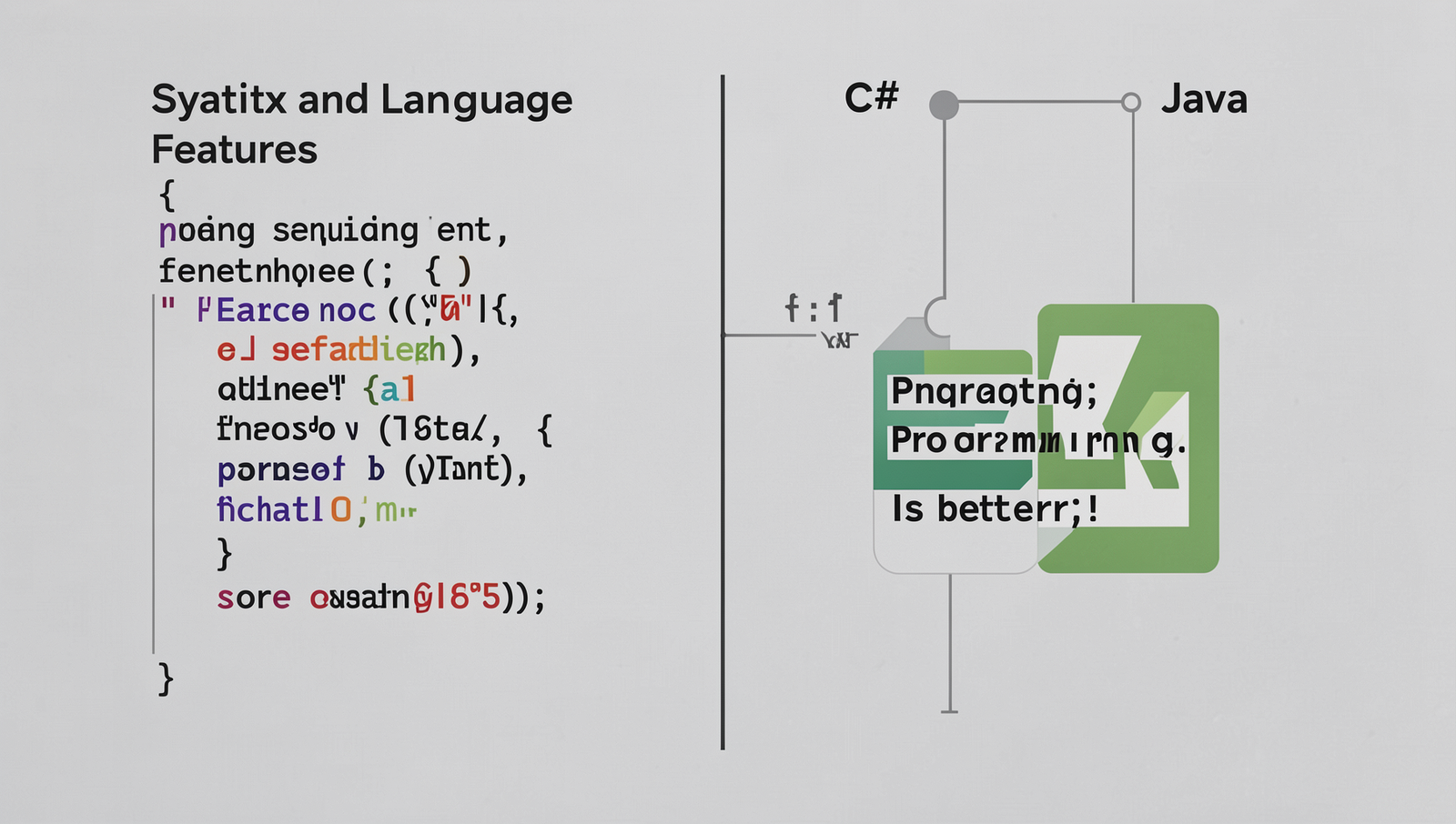
When comparing C# vs Java, one of the most significant aspects to consider is the syntax and overall language features. Both languages are designed to be easy to read and write, but they have distinct differences that can affect a developer’s experience.
In terms of syntax simplicity and readability, C# tends to have a more modern and streamlined syntax compared to Java. For instance, C# supports properties, which allow for a more concise way to define getters and setters:
public class Person {
    public string Name { get; set; }
}
In Java, the same functionality requires more boilerplate code:
public class Person {
    private String name;

    public String getName() {
        return name;
    }

    public void setName(String name) {
        this.name = name;
    }
}
Both languages are fundamentally object-oriented, supporting concepts like inheritance, encapsulation, and polymorphism. However, C# also includes features like generics, which allow for type-safe data structures. For example:
List<string> names = new List<string>();Java introduced generics later, and while they are similar, the syntax can sometimes feel less intuitive.
Error handling mechanisms also differ between C# and Java. C# uses exceptions and provides a more flexible approach with the use of try-catch-finally blocks, while Java enforces checked exceptions, requiring developers to handle exceptions explicitly.
Finally, both languages support functional programming paradigms, but C# has more robust support with features like LINQ (Language Integrated Query), which allows for querying collections in a more readable manner:
var results = from name in names
              where name.StartsWith("A")
              select name;
In summary, while both C# and Java have their strengths, C# often offers a more modern syntax and additional features that can enhance productivity and code clarity.
Performance and Efficiency
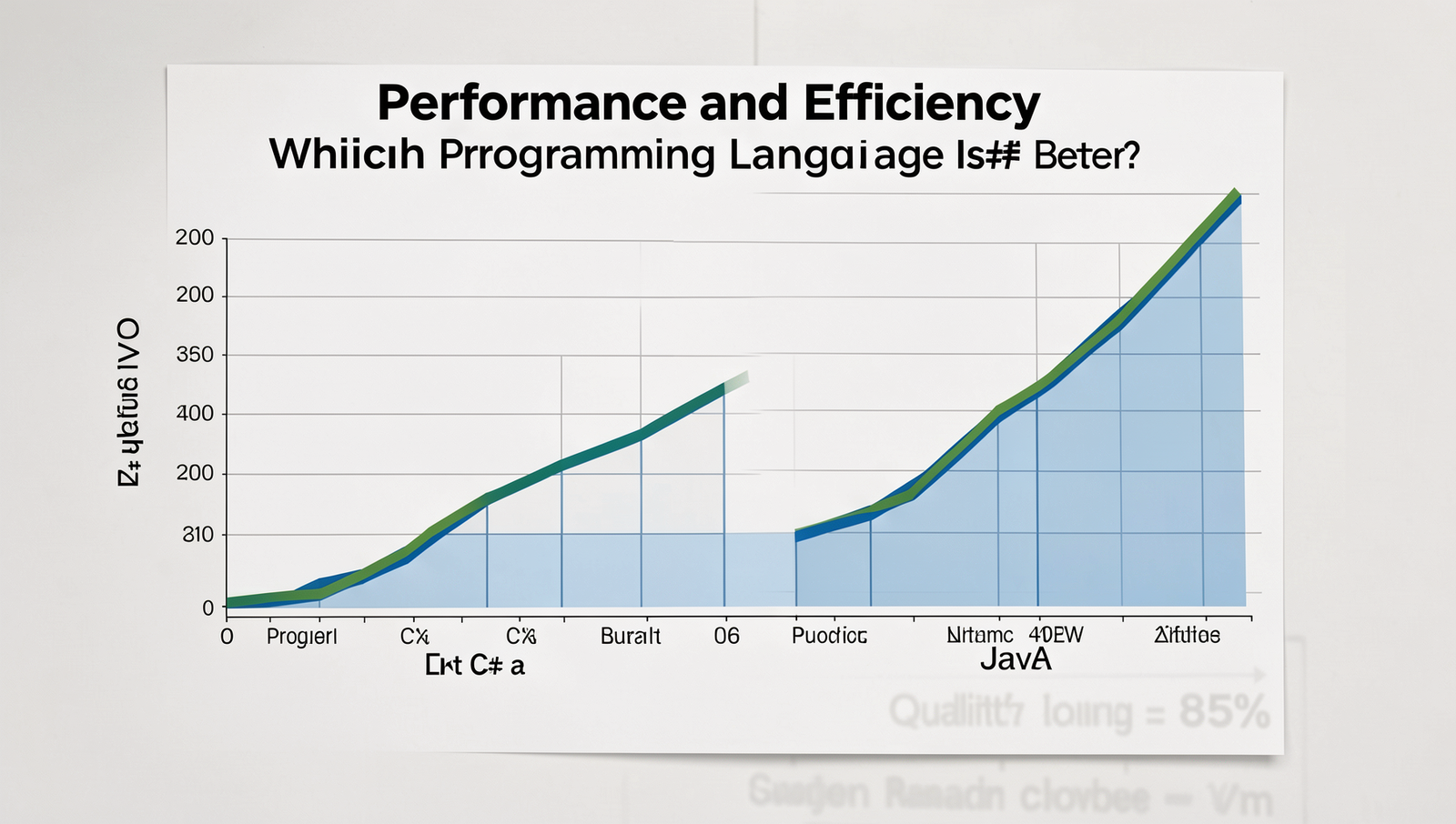
When comparing C# vs Java, performance and efficiency are critical factors that developers consider. Both languages have their strengths, but their execution speed and runtime performance can vary based on several aspects.
Execution speed is often influenced by how each language handles runtime operations. C# utilizes Just-In-Time (JIT) compilation, which compiles code during execution, allowing for optimizations based on the current execution environment. In contrast, Java also employs JIT compilation but has a different approach with its HotSpot JVM, which optimizes frequently executed code paths. This can lead to faster execution times for long-running applications in Java.
Memory management is another area where C# and Java differ significantly. Both languages use garbage collection to manage memory, but the algorithms and strategies differ. C# employs a generational garbage collector, which can lead to more efficient memory usage in applications with a lot of short-lived objects. Java’s garbage collector has evolved over the years, with options like G1 and ZGC, which aim to minimize pause times and improve throughput.
- Compilation Process: C# uses JIT compilation, while Java also uses JIT but with a focus on optimizing hot paths.
- Memory Management: C# has a generational garbage collector, whereas Java offers multiple garbage collection strategies.
- Language Features: C# supports features like properties and events that can enhance performance in specific scenarios.
Ultimately, the choice between C# vs Java may come down to the specific requirements of a project, including execution speed, memory management needs, and the desired language features. Understanding these differences can help developers make informed decisions when selecting a programming language for their applications.
Ecosystem and Community Support
When comparing C# vs Java, one of the critical factors to consider is the ecosystem and community support surrounding each language. Both languages have a rich set of libraries and frameworks that enhance their capabilities, but they differ in availability and usage.
C# benefits from the extensive .NET ecosystem, which includes frameworks like ASP.NET for web development, Xamarin for mobile applications, and Unity for game development. This wide range of options allows developers to choose the best tools for their specific needs. On the other hand, Java boasts a vast collection of libraries and frameworks such as Spring for enterprise applications, Hibernate for database management, and JavaFX for rich client applications. The choice between these ecosystems often depends on the specific requirements of a project.
The community size and support resources are also significant factors in the C# vs Java debate. Java has been around longer and has a larger community, which translates to a wealth of resources, forums, and documentation. Websites like Stack Overflow and GitHub are filled with Java-related content, making it easier for developers to find help. C#, while having a smaller community, benefits from strong backing by Microsoft and a dedicated user base that contributes to its growth.
- Development Tools and IDEs: C# developers often use Visual Studio, which is known for its robust features and debugging capabilities. Java developers typically use IntelliJ IDEA or Eclipse, both of which offer powerful tools for code management and development.
- Job Market Trends: Currently, both languages are in high demand, but job trends can vary by region. C# is particularly sought after in enterprise environments, while Java remains a staple in large-scale applications and Android development.
In conclusion, the choice between C# vs Java should consider the ecosystem, community support, and specific project needs. Each language offers unique advantages that can significantly impact a developer’s experience and career opportunities.
Conclusion
In the ongoing debate of C# vs Java, both programming languages have their unique strengths and weaknesses that cater to different development needs. C# is often favored for its seamless integration with the Microsoft ecosystem, making it an excellent choice for Windows applications and game development through Unity. On the other hand, Java’s platform independence and robust community support make it a preferred option for large-scale enterprise applications and Android development. Each language offers extensive libraries and frameworks, which can significantly enhance productivity and streamline the development process.
Ultimately, the choice between C# and Java should be guided by the specific requirements of the project, the existing technology stack, and the team’s expertise. Developers should consider experimenting with both languages to understand their nuances better. By doing so, they can make informed decisions that align with their goals, whether that involves building desktop applications, mobile apps, or web services. The right choice will not only improve efficiency but also lead to more maintainable and scalable code.
Frequently Asked Questions
What are the main differences between C# and Java?
C# is primarily used within the Microsoft ecosystem and integrates seamlessly with Windows applications, while Java is platform-independent and runs on any operating system with a Java Virtual Machine. Additionally, C# supports properties and events, which Java does not natively offer.

Which language has better performance?
Performance can vary based on the specific